I started work this week on a recently acquired plot of land which I intend as an extension to the vegetable and fruit garden.
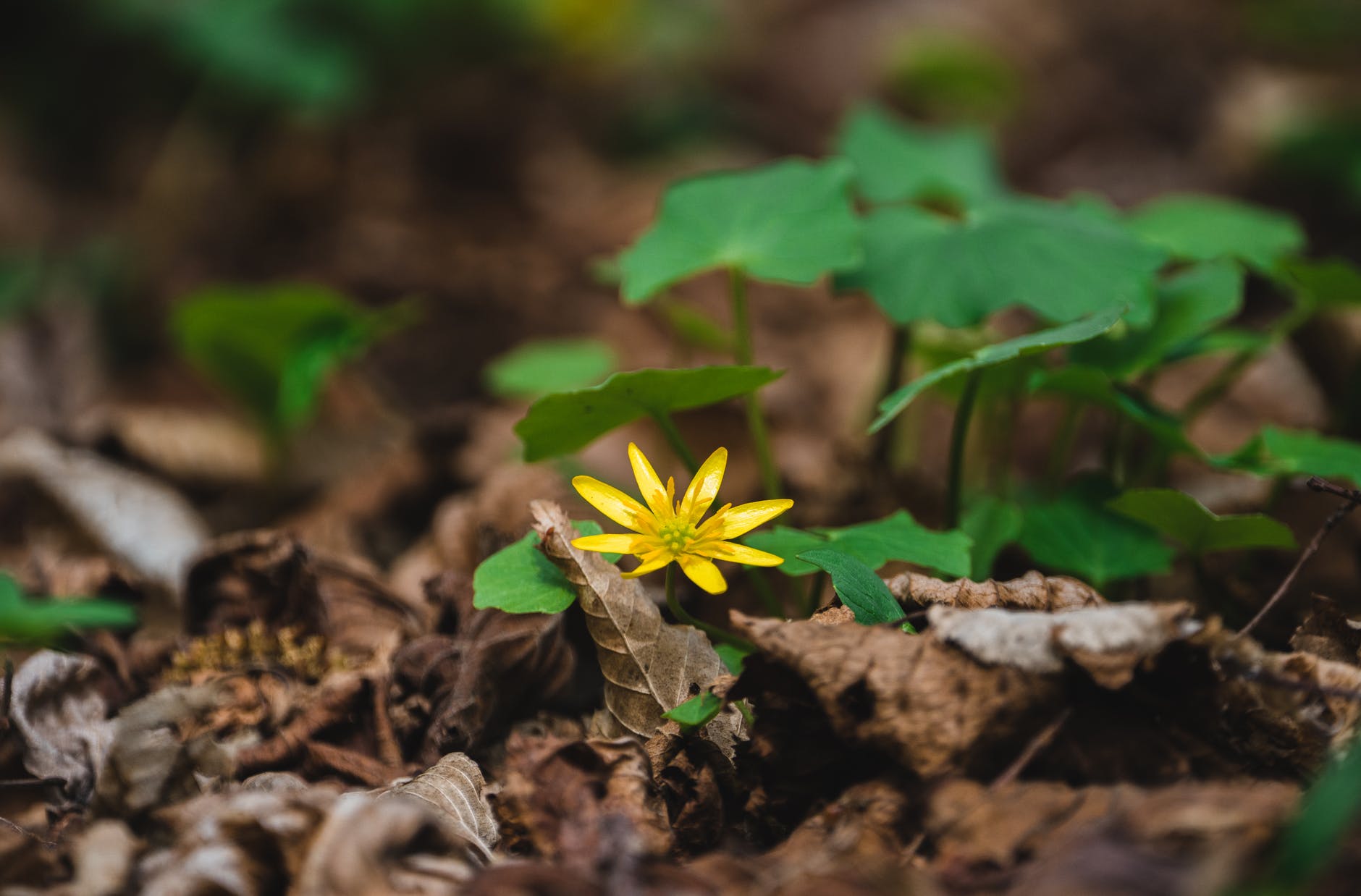
Clearing the dead and dried weeds left from a season of neglect last year, I discovered a few little clumps of dark heart shaped leaves with buttercup yellow flower buds just ready to open.
These little natives are Lesser Celandine, (Ficara Verna) or Pilewort which starts to flower in the late winter and early spring, hugging the ground and only opening up their glossy yellow daisy shaped flowers in fair weather.
A Beautiful Invader
Sadly, the Lesser Celandine is considered an invasive plant in the USA and banned in a number of states. However, here in the UK it is considered a persistent weed with tuberous roots that are difficult to eradicate.
My neighbour has quite a cheerful patch of these so I suspect they are migrants from her garden.
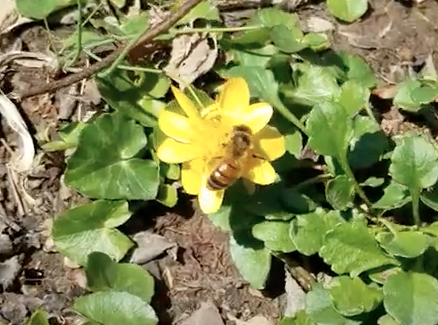
Lesser Celandines are toxic and will harm farm animals if ingested but the intrepid bees and emerging insects which make early spring forays in search of nectar seem find them invaluable.
So…. do they stay or do they go?
Their preference for damp ground probably means that as I cultivate the soil, they may not wish to hang around.

Woolly Bears
Near a clump of nettles I discovered two hairy brown caterpillars.
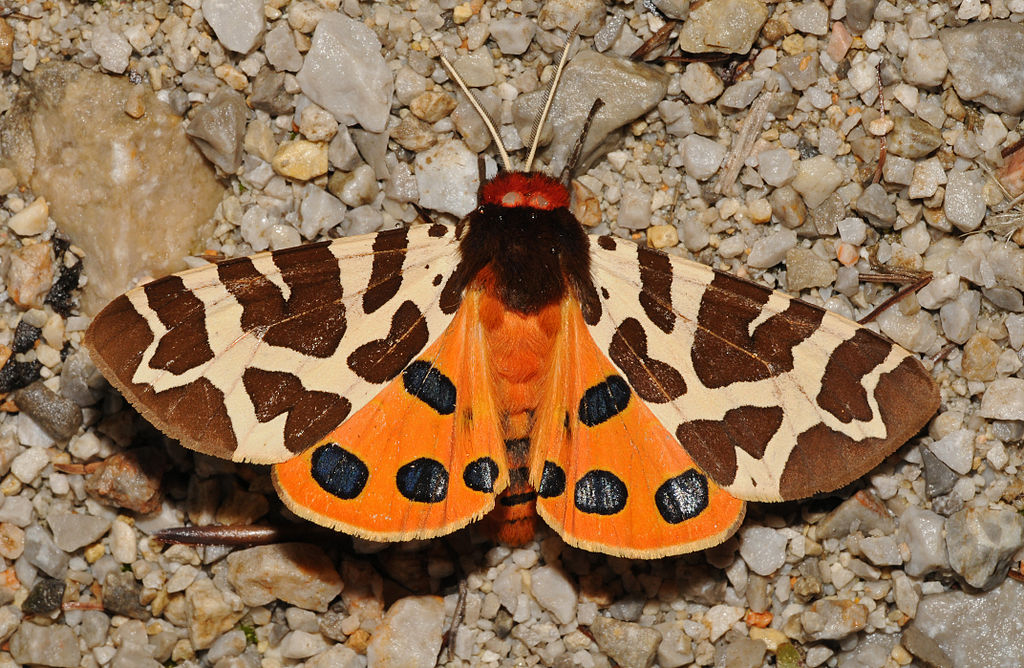
Further research suggests these are the larvae of the Garden Tiger Moth and I certainly have seen the moths around in the later part of the season.
The beautifully patterned Garden Tiger Moth is native to the UK, preferring our temperate, cold climates.
It does not seem over fussy about its diet and I don’t think it will be a great threat to any of my veggies, so these little guys can stay.